
Inside Virginia Tech’s overdose-prevention efforts
Virginia Tech has expanded access to Narcan for students on campus, while continuing to work on improving awareness and training.
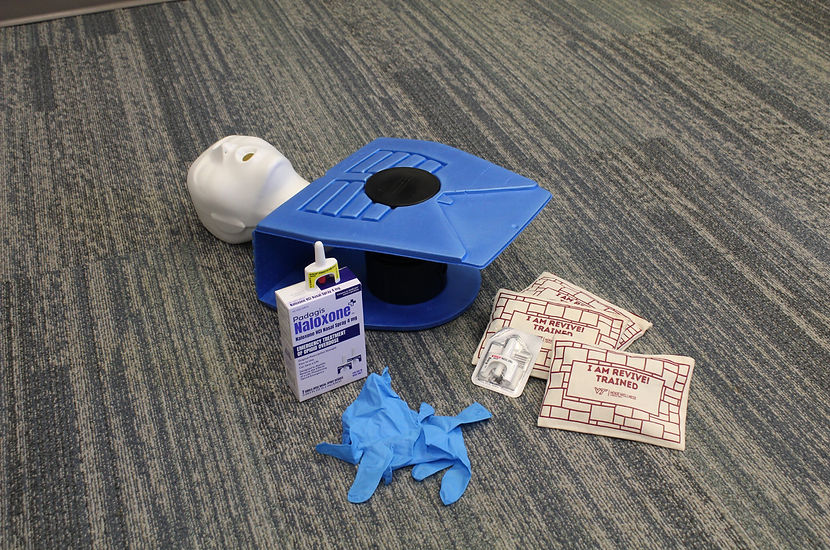
Blacksburg, VA, Dec. 15 - A training dummy, a Naloxone dose, and overdose response kits used by instructors during Virginia Tech's monthly REVIVE! training sessions.
Brendan Robertson
12/17/2025
Virginia Tech has expanded access to the infamous overdose reversal drug, Narcan, across its campus, yet many students are unaware of where it's located. Many college campuses are increasing their focus on overdose‑reduction strategies as the nationwide opioid crisis continues to ravage young adults.
Narcan, the brand name for naloxone, is a medication that can reverse the effects of opioid overdoses for up to 90 minutes. The Hokie Wellness office offers recurring REVIVE! Training programs that teach students how to recognize and respond to an overdose. They also distribute overdose response kits equipped with Narcan to any attendees.
Annie Chalmers‑Williams, the assistant director of substance misuse prevention and education for Hokie Wellness, said students can access naloxone in several different ways. “If a student were having an immediate overdose on campus, Schiffert Health Clinic has a small stash,” she said. “The other place you get it on campus is from us. We have an MOU with the Virginia Department of Health, where Hokie Wellness can be a distributor of naloxone products.”
All dorms on Virginia Tech’s campus are now equipped with ONEbox kits, emergency overdose stations with instructional video screens, and doses of Narcan. Student leaders are trained to use these kits and teach their residents where they are located. “They know where the ONEbox is and have access to it, but they also teach all of their residents where the ONEbox is and kind of talk them through how to use it,” said Chalmers-Williams.
Many Virginia Tech Police Department officers also carry naloxone while on duty. “Most of our police officers have elected to carry Narcan on their person,” Lt. Susie Ratcliffe said. According to Ratcliffe, the department's overdose response method is standard, but extensive. “Any method of our normal, you know, shaking shoulders, sternum rubs, things like that, if it doesn't bring them to. It doesn't get a response from them. Then we can suspect an overdose. And so the process there is to administer naloxone,” Ratcliffe said.
Although opioid overdoses on campus are rare, about one per year, according to Ratcliffe, students should be aware of increasing risks. Fentanyl, a dangerous opioid often found laced in other substances, claimed more than 54,000 lives in the US in 2024, according to the CDC. However, the CDC also says total overdose deaths dropped nearly 27% in 2024. This is due in part to the wider naloxone distribution and harm‑reduction efforts.
Overdose prevention on college campuses depends not only on access to Narcan but on awareness and training as well. As resources continue to expand, university officials encourage students to learn where Narcan and overdose resources are located and how to respond in the event of an emergency.

Blacksburg, VA; Dec 15 - Maggie McGetrick, a junior at Virginia Tech who attended a REVIVE! training after witnessing an overdose incident her freshman year. Photo: Maggie McGetrick

Blacksburg, VA; Dec 15 - Chalmers-Williams is the Assistant Director of Substance Misuse Prevention and Education at Virginia Tech and is responsible for coordinating REVIVE! trainings and ONEbox distribution. Photo: Brendan Robertson
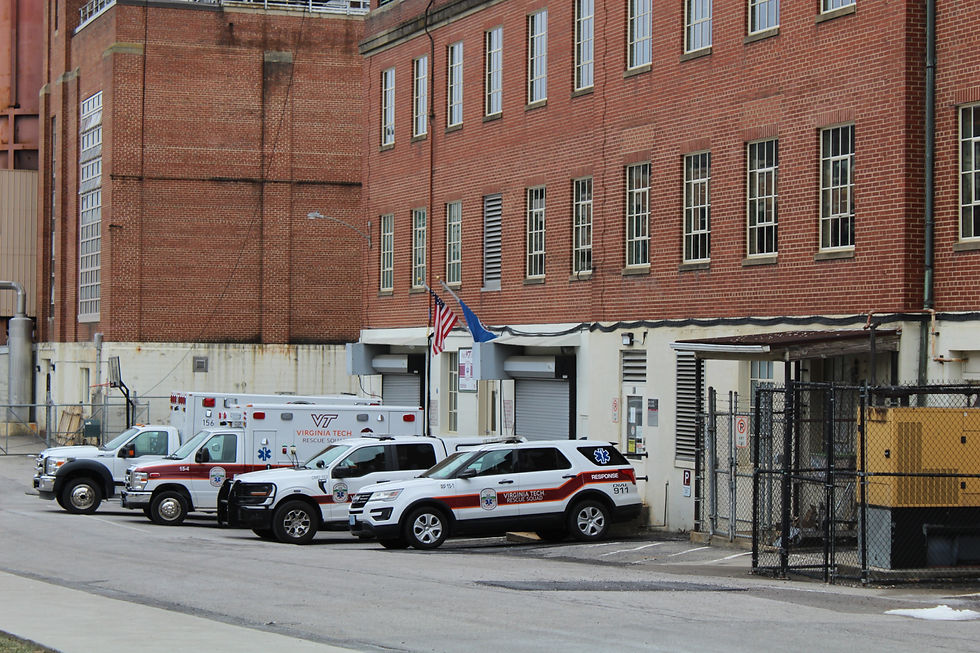
Blacksburg, VA; Dec 15 - The Virginia Tech Rescue Squad responds to all medical emergencies on campus, including overdose-related calls. Photo: Brendan Robertson
Blacksburg, VA; Dec 15 - Maggie McGetrick, a junior at Virginia Tech who attended a REVIVE! training after witnessing an overdose incident her freshman year. Photo: Maggie McGetrick